Knowing the differences in between SMILE and LASIK can direct you in choosing the best vision modification treatment for your requirements. What will you make a decision?


Write-Up Produced By-Bird Munro
When it comes to vision improvement, picking in between SMILE and LASIK can really feel frustrating. You could like SMILE's minimally intrusive technique or LASIK's prompt outcomes. What elements should you weigh to identify which procedure lines up finest with your requirements?
Recognizing SMILE: Treatment and Advantages
SMILE, or Small Laceration Lenticule Removal, is an innovative eye procedure designed to deal with vision troubles like nearsightedness and astigmatism.
Throughout the procedure, the surgeon makes use of a femtosecond laser to create a slim lenticule within the cornea. This lenticule is then gotten rid of via a tiny incision, reshaping the cornea to boost your vision.
Unlike typical techniques, SMILE includes very little invasiveness, which indicates much less disruption to the bordering cells. Lots of individuals experience much faster recovery times and reduced discomfort later.
Plus, https://www.healio.com/news/ophthalmology/20210126/corneal-and-lensbased-refractive-surgery-advancements-optimize-vision won't require to fret about the flap that's typically created in LASIK. With SMILE, you can appreciate more clear vision while benefiting from a procedure that emphasizes precision and safety and security.
Discovering LASIK: Procedure and Advantages
LASIK, or Laser-Assisted Sitting Keratomileusis, is a prominent eye surgery that changes exactly how people see. This treatment reshapes your cornea using a laser, dealing with refractive mistakes like nearsightedness and farsightedness.
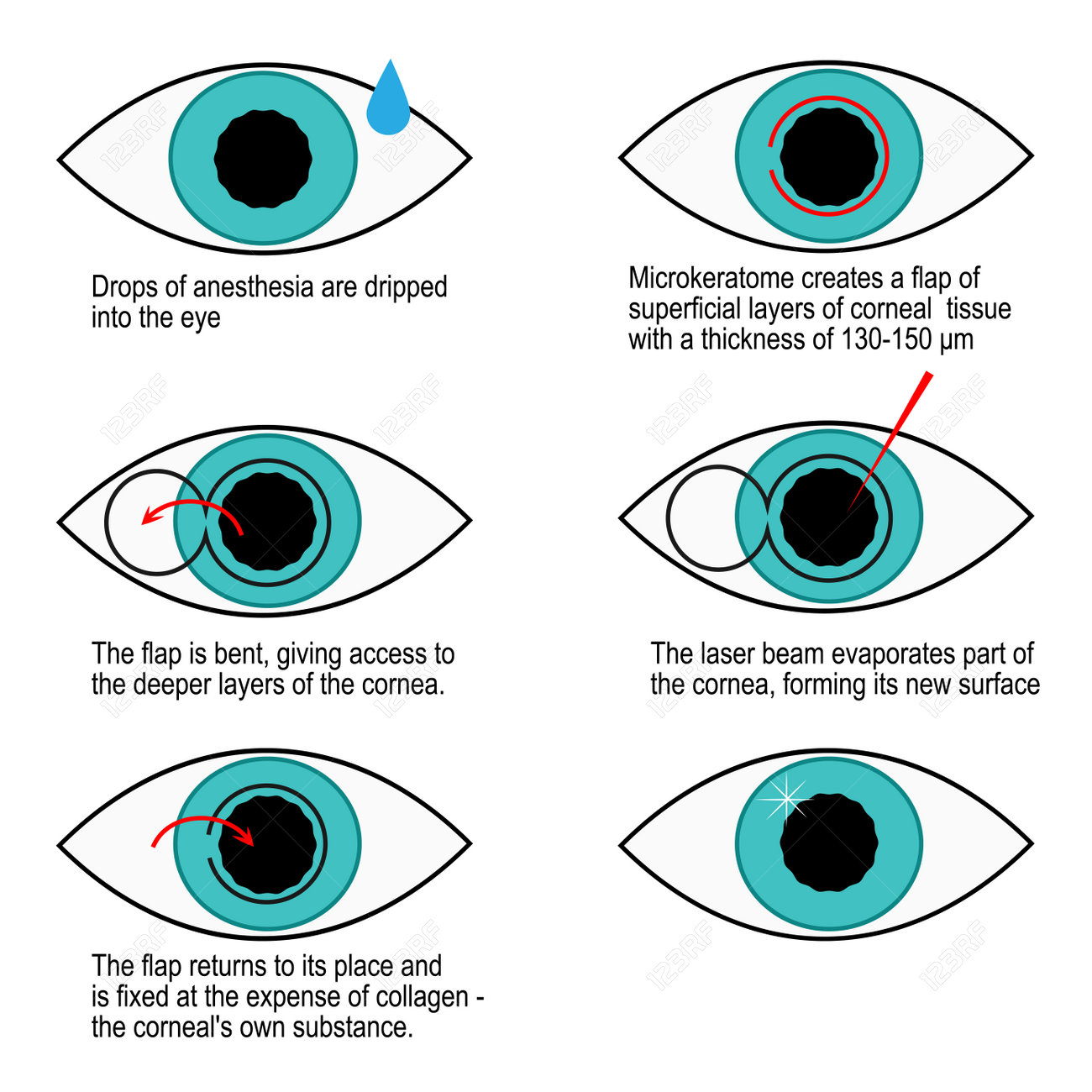
You'll start by obtaining numbing drops in your eyes, guaranteeing convenience throughout the surgical procedure. A thin flap is created in the cornea, allowing the laser to precisely reshape the underlying tissue.
One of the main advantages of LASIK is its fast recovery time; many individuals see boosted vision practically immediately. In addition, LASIK offers a high success rate, offering lasting outcomes for many people.
With minimal discomfort and a relatively short treatment time, LASIK can significantly boost your quality of life by lowering your dependence on glasses or call lenses.
Contrasting Healing Times and Outcomes
When considering eye surgical procedure options, it's important to weigh recuperation times and results in between treatments.
With LASIK, a lot of clients notice enhanced vision within a day, commonly returning to normal tasks the next day. However, some might experience short-term pain, like dryness or glare.
On the other hand, SMILE generally provides a quicker recovery, with many patients experiencing stable vision within a few days. You could find the treatment much more comfortable as a result of its minimally invasive nature, bring about much less post-operative discomfort.
In regards to long-lasting outcomes, both procedures boast high success rates, however specific outcomes can vary.
Ultimately, your selection must show your lifestyle, convenience with recuperation, and particular vision demands. Consult your eye care expert for tailored advice.
Verdict
In picking in between SMILE and LASIK, it truly comes down to your distinct demands and preferences. If you're after instant results and a tested track document, LASIK could be your finest wager.
Knowing the differences between SMILE and LASIK can lead you in choosing the finest vision correction treatment for your needs. SMILE vs. just click the next website page : Which Procedure Is Better for You? When it comes to vision adjustment, picking between SMILE and LASIK can feel frustrating. You may favor SMILE's minimally intrusive approach or LASIK's prompt outcomes. In selecting in between SMILE and LASIK, it actually comes down to your unique demands and preferences.